Alinardo of Grottaferrata
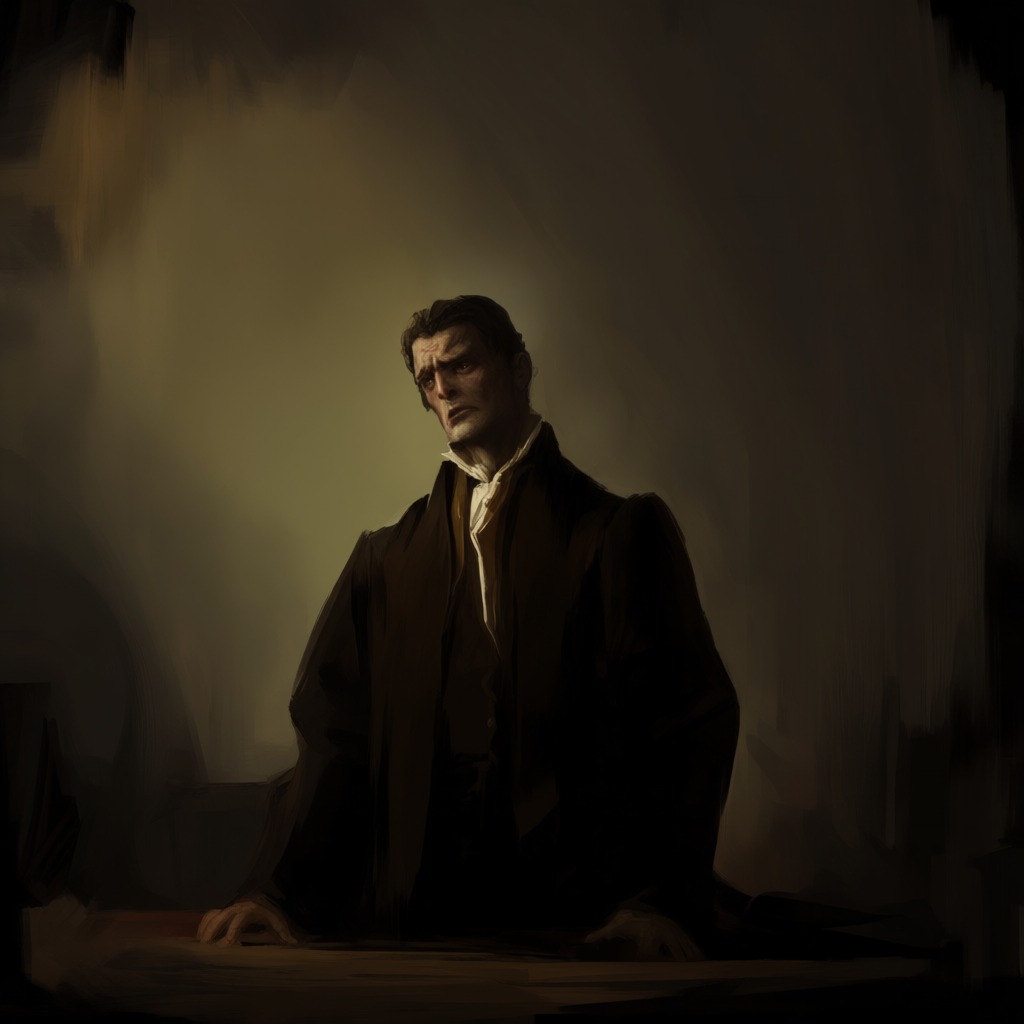
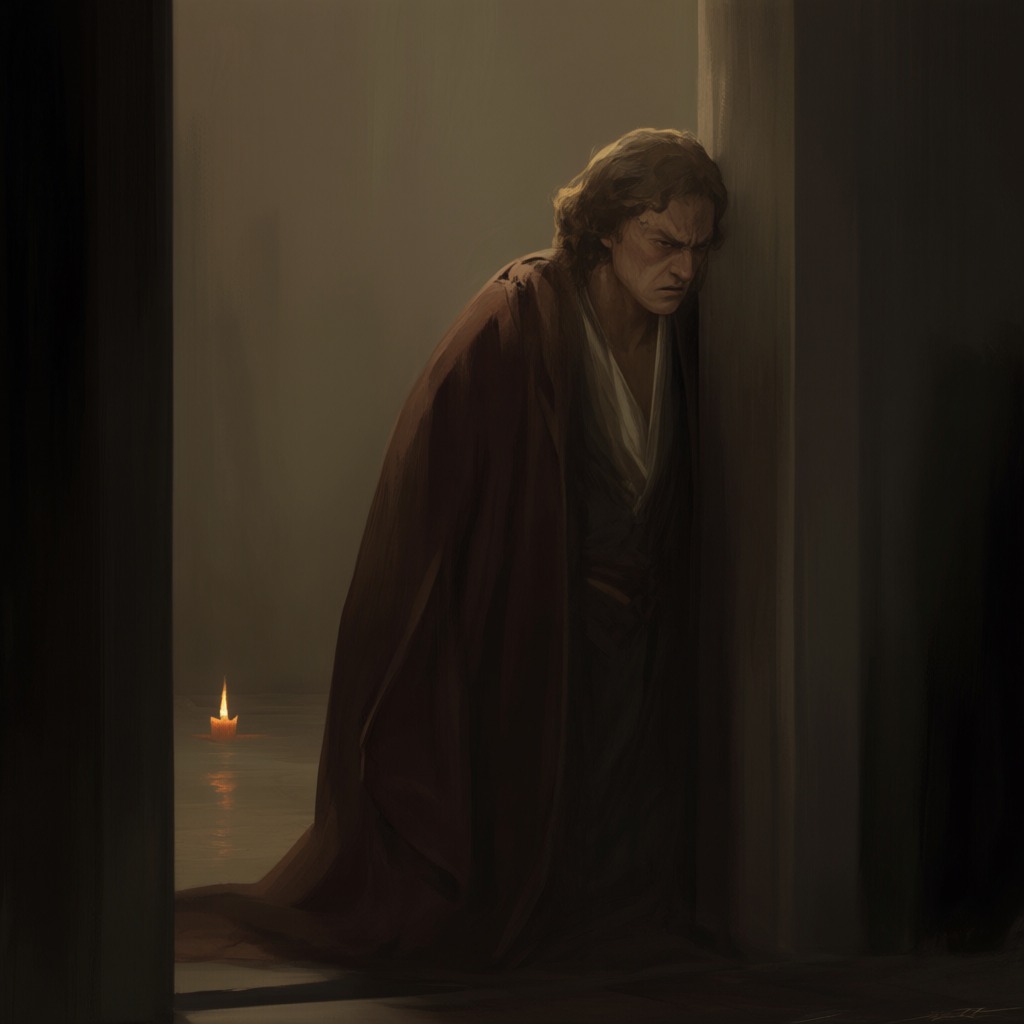
Alinardo of Grottaferrata is the oldest living inhabitant of the abbey, a centenarian whose mind has become a ruin of vivid fragments and forgotten connections. He is introduced at the abbot's table on the first evening, described as ancient, almost a centenarian, lame, and fragile-looking, and seemingly addled. His great age makes him a living repository of the abbey's history, but his testimony is unreliable, delivered in a stream of apocalyptic imagery and personal bitterness that the other monks have long since learned to dismiss as the ravings of senility.
Identity and Background
Alinardo's defining characteristic is his profound and lasting resentment. He was once a candidate for the position of librarian, a role he believed was rightfully his. He hints at this injustice when he speaks of a past rival who "managed to have himself sent to Silos, where he found the finest manuscripts" and returned with splendid booty, thereby securing the library post for himself. Alinardo's bitterness is palpable; he laughs in a nasty way when recalling that God punished this rival, sending him "into the realm of darkness before his time." This rival, it is later revealed, was Jorge of Burgos, who used his journey to Silos to acquire the forbidden copy of Aristotle's Poetics that lies at the heart of the abbey's tragedy. Alinardo's grudge, though dismissed as the obsession of a confused old man, points directly to the true architect of the library's secrets.
Role in the Investigation
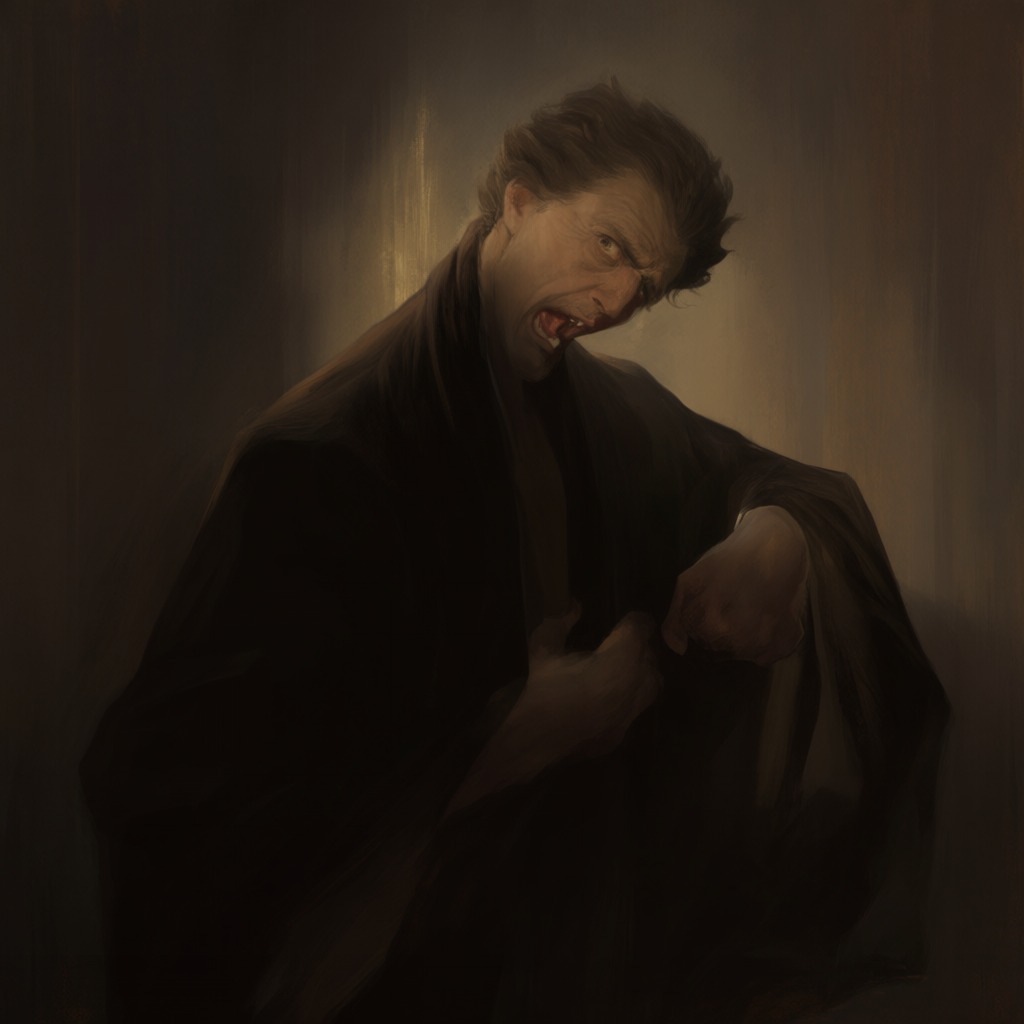
Despite his mental frailty, Alinardo provides William with several pieces of information that prove essential. He is the one who reveals the existence of a secret passage into the Aedificium through the ossarium, instructing William to press the eyes of the fourth skull on the right on the altar of the third chapel. This allows William and Adso to enter the library at night. More significantly, Alinardo is the source of the apocalyptic pattern that William initially believes governs the murders. After Venantius's body is found in the jar of blood, Alinardo mutters about the seven trumpets of the Apocalypse, linking the first death (Adelmo's fall) to hail and fire, and the second (Venantius's drowning in blood) to the sea turning to blood. He warns of a third trumpet, which would bring death by water, and a fourth, which would smite the sun, moon, and stars. This pattern, though ultimately a false lead that William himself later admits was a mistake, shapes the entire investigation and leads him to focus on the library and its guardians. Alinardo also speaks of the library as a great labyrinth, a sign of the labyrinth of the world, and warns that one must not transgress the pillars of Hercules.
Thematic Significance
Alinardo embodies the theme of failed ambition and the corrosive power of resentment. His life has been defined by a single, decades-old professional slight, which has curdled into a bitter obsession that isolates him from the community. He is a living monument to the abbey's internal politics and the human cost of its institutional secrets. His fragmented, prophetic speech also serves as a narrative device, providing William with oracular clues that are both true and misleading. He is a figure of the past whose voice, though garbled, carries the echoes of the truth that the abbey's present rulers have tried to suppress. His final fate is to be trampled by the burning horse Brunellus during the great fire, a chaotic and undignified end for a man who spent his life nursing a quiet, orderly grudge.